
Zoo Koki Overview
Why You Should Visit Zoo Koki?

- Explore a small, family-run zoo and botanical garden near Toledo, where you can have up-close encounters with over 150 species of fascinating wildlife.
- Marvel at the stunning variety of birds, including peacocks, emus, owls, and many other beautiful species, showcasing a range of sizes, colors, and shapes.
- Journey through different thematic zones and learn about the unique ecosystems that support the diverse creatures residing in the zoo.
- Gain knowledge about the eagles, peacocks, owls, emus, and other inhabitants as you explore each thematic zone, discovering their habitats and the interconnections within their ecosystems.
Animals In Zoo Koki

The Laysan Teal is a small species of duck native to the Laysan Island in Hawaii. At Zoo Koki, visitors can observe these charming ducks, known for their beautiful plumage and distinct white eye ring. The zoo plays a vital role in the conservation of this endangered species, providing a safe and naturalistic environment for them to thrive and breed. Through educational displays and knowledgeable staff, visitors can learn about the conservation efforts and the importance of protecting the Laysan Teal and its fragile habitat.

The Marbled Teal is a striking waterfowl species known for its intricate patterned plumage. Zoo Koki is proud to house and showcase these unique ducks, offering visitors an opportunity to appreciate their beauty up close. With their naturalistic habitat and access to water bodies, the zoo ensures the well-being of the Marbled Teal. Visitors can learn about the conservation challenges faced by this endangered species and the efforts being made to preserve their populations. The presence of Marbled Teals at Zoo Koki serves as a reminder of the need for conservation actions to protect these stunning waterfowl.

The California Pollock, also known as the Pacific Pollock, is a species of fish native to the North Pacific Ocean. At Zoo Koki, visitors can discover these fascinating fish in an aquarium exhibit that mimics their oceanic habitat. With their sleek and silver bodies, California Pollocks are a sight to behold. Visitors can learn about the importance of marine conservation and the challenges faced by these fish due to overfishing and habitat degradation. The exhibit offers an educational experience, showcasing the beauty and diversity of marine life and the need for sustainable practices to protect species like the California Pollock.

The Water Hen, also known as the Moorhen, is a small waterbird known for its vibrant plumage and distinctive red bill. Zoo Koki provides a suitable habitat for these elegant birds, allowing visitors to observe their behavior and habitat preferences. With their presence, the zoo highlights the importance of wetland conservation, as water hens rely on marshy areas for their survival. Visitors can learn about the ecological role of water hens, their feeding habits, and the conservation efforts in place to protect wetland ecosystems that support these beautiful birds.

The Common Knocker, also known as the Common Snipe, is a wading bird known for its unique drumming courtship display. At Zoo Koki, visitors can observe these charismatic birds and learn about their breeding behaviors and habitat preferences. The zoo aims to create a suitable environment for the Common Knocker, providing ample wetland areas and vegetation for them to thrive. Through informative displays and interactive presentations, visitors can gain knowledge about the importance of wetland conservation and the significance of preserving the habitats of birds like the Common Knocker.

The Shetland Horse is a small and sturdy breed native to the Shetland Islands of Scotland. At Zoo Koki, visitors can encounter these charming and gentle horses. Despite their small size, Shetland Horses are known for their strength and versatility. Visitors can learn about their history, characteristics, and their role in agriculture and transportation. The zoo emphasizes responsible horse care and welfare, ensuring the Shetland Horses have suitable paddocks and access to proper nutrition and care. These delightful equines offer visitors a chance to appreciate the unique qualities of the Shetland Horse breed.

The Maasai Ostrich, a subspecies of the common ostrich, is a large flightless bird native to East Africa. Zoo Koki provides a habitat for these magnificent creatures, allowing visitors to observe their striking appearance and fascinating behaviors. With their long neck and powerful legs, Maasai Ostriches are a captivating sight at Zoo Koki. Visitors can learn about their adaptation to arid environments and their important role in the ecosystem. The zoo focuses on raising awareness about the conservation challenges faced by Maasai Ostriches in the wild, such as habitat loss and illegal hunting. Through educational programs and interactive exhibits, visitors can gain a deeper understanding of these magnificent birds and the need to protect their populations.

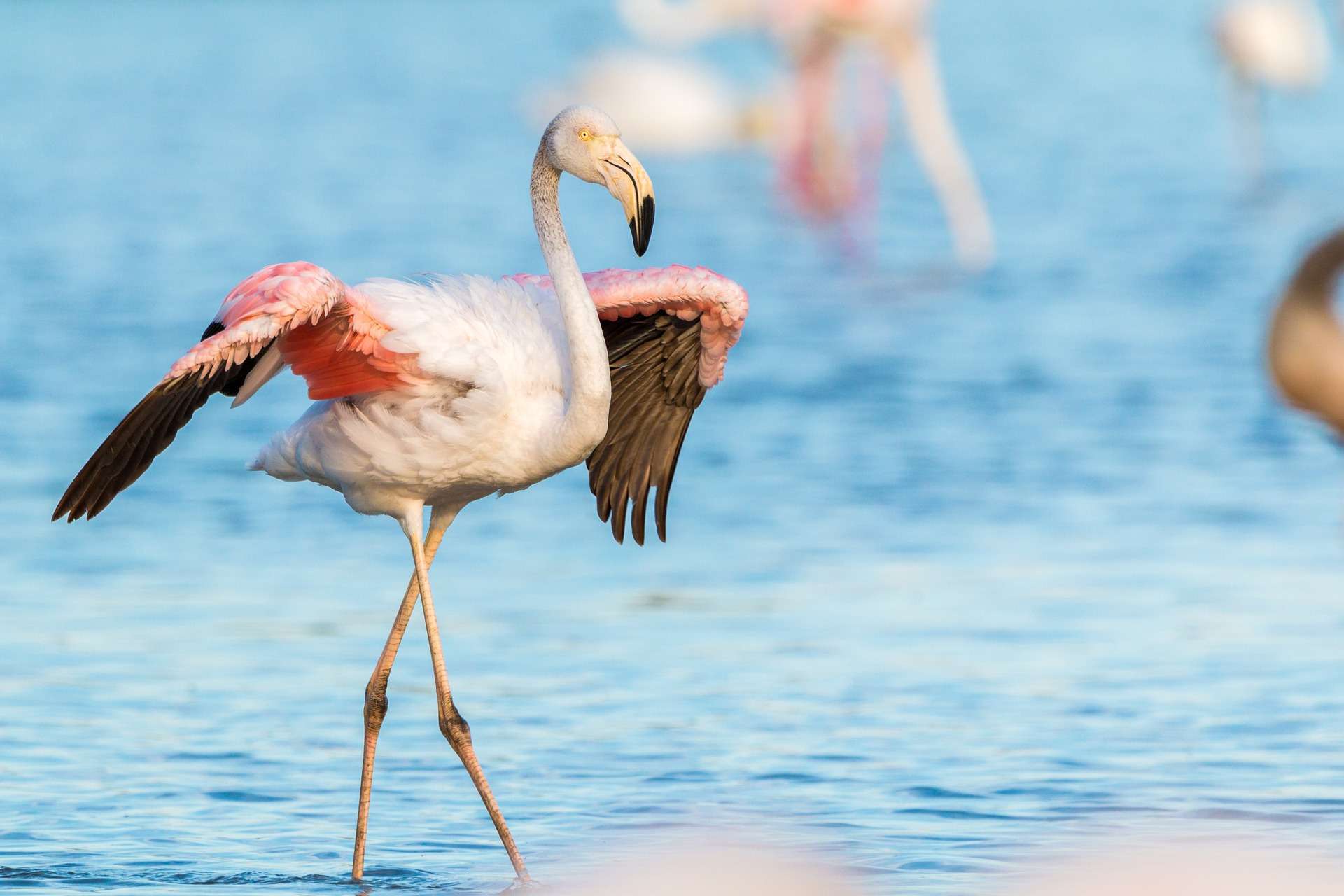
The Pink Flamingo is an iconic bird known for its vibrant pink plumage and long, slender neck. At Zoo Koki, visitors can witness the grace and beauty of these elegant creatures as they wade through water and engage in social displays. The zoo provides a suitable environment for the Pink Flamingos, with spacious enclosures and access to shallow ponds. Visitors can learn about the unique adaptations of these birds, their feeding habits, and the conservation efforts in place to protect their habitats. The Pink Flamingos at Zoo Koki serve as a striking reminder of the importance of wetland conservation and the preservation of these magnificent avian species.

The Serval is a medium-sized wild cat native to Africa, known for its slender body, long legs, and distinctively large ears. Zoo Koki offers visitors the opportunity to observe these agile and elusive creatures up close. With their naturalistic enclosures that mimic their native grassland habitats, the zoo provides a suitable environment for the Servals to roam and exhibit their natural behaviors. Visitors can learn about the Serval's hunting techniques, their role in the ecosystem, and the conservation challenges they face due to habitat loss and illegal poaching. The presence of Servals at Zoo Koki showcases the beauty and importance of these wild felines and the need to protect their populations.

Location: Carretera Toledo Ávila, km 38, 200, 45526, Val de Santo Domingo
Timings- 10: 00 AM to 8: 00 PM
Best Time To Visit- The best time to visit Zoo Koki is during the spring and autumn seasons. The moderate temperatures and pleasant weather during these times provide a comfortable experience for exploring the zoo. Additionally, visiting during weekdays or non-peak hours can help avoid crowds, allowing visitors to fully enjoy the exhibits and have a more intimate encounter with the amazing wildlife. It is advisable to check the zoo's website or contact them in advance for any specific information or updates regarding visiting hours and special events.
How to Reach?
By Car: Take the route via Autovía del Suroeste/A-5 from the city centre, it will take you approximately 55 minutes to reach the location.
FAQ'S
What is Zoo Atlanta famous for?
Zoo Atlanta is famous for its diverse collection of wildlife, including its renowned panda exhibit. It is one of the few zoos in the United States that houses giant pandas, making it a popular attraction. The zoo is also known for its conservation efforts and educational programs aimed at raising awareness about wildlife conservation and biodiversity.
How long should one spend in Kew Gardens?
The amount of time one should spend in Kew Gardens depends on individual interests and preferences. As Kew Gardens is extensive and offers a wide range of attractions, including botanical gardens, historic buildings, and art exhibitions, visitors can easily spend a full day exploring the various areas. However, a minimum of three to four hours is recommended to fully appreciate the main highlights of the gardens.
What is the best time to visit Kew Gardens?
The best time to visit Kew Gardens is during the spring and summer seasons, particularly from April to September. This is when the gardens are in full bloom, showcasing vibrant flowers, blossoms, and lush greenery. The weather is generally pleasant, and there are more activities and events taking place during this period. However, it is important to check the official website of Kew Gardens for any updates on opening times, seasonal events, and specific guidelines before planning your visit.
What types of animals in Kew Gardens?
Kew Gardens is primarily known for its extensive botanical collections and gardens. While it is not a traditional zoo, there are some animal-related attractions within the gardens. These include the Treetop Walkway, which offers a chance to spot bird species, and the Rhizotron and Xstrata Treetop Walkway, where visitors can learn about the ecology of trees and the creatures that inhabit them.
Is photography allowed in Kew Gardens?
Photography is generally allowed in Kew Gardens for personal, non-commercial use. However, there may be some restrictions in certain areas, such as inside specific exhibitions or during events. It is always recommended to adhere to any signage or guidelines provided by Kew Gardens regarding photography to ensure the safety and well-being of the plants, animals, and other visitors.