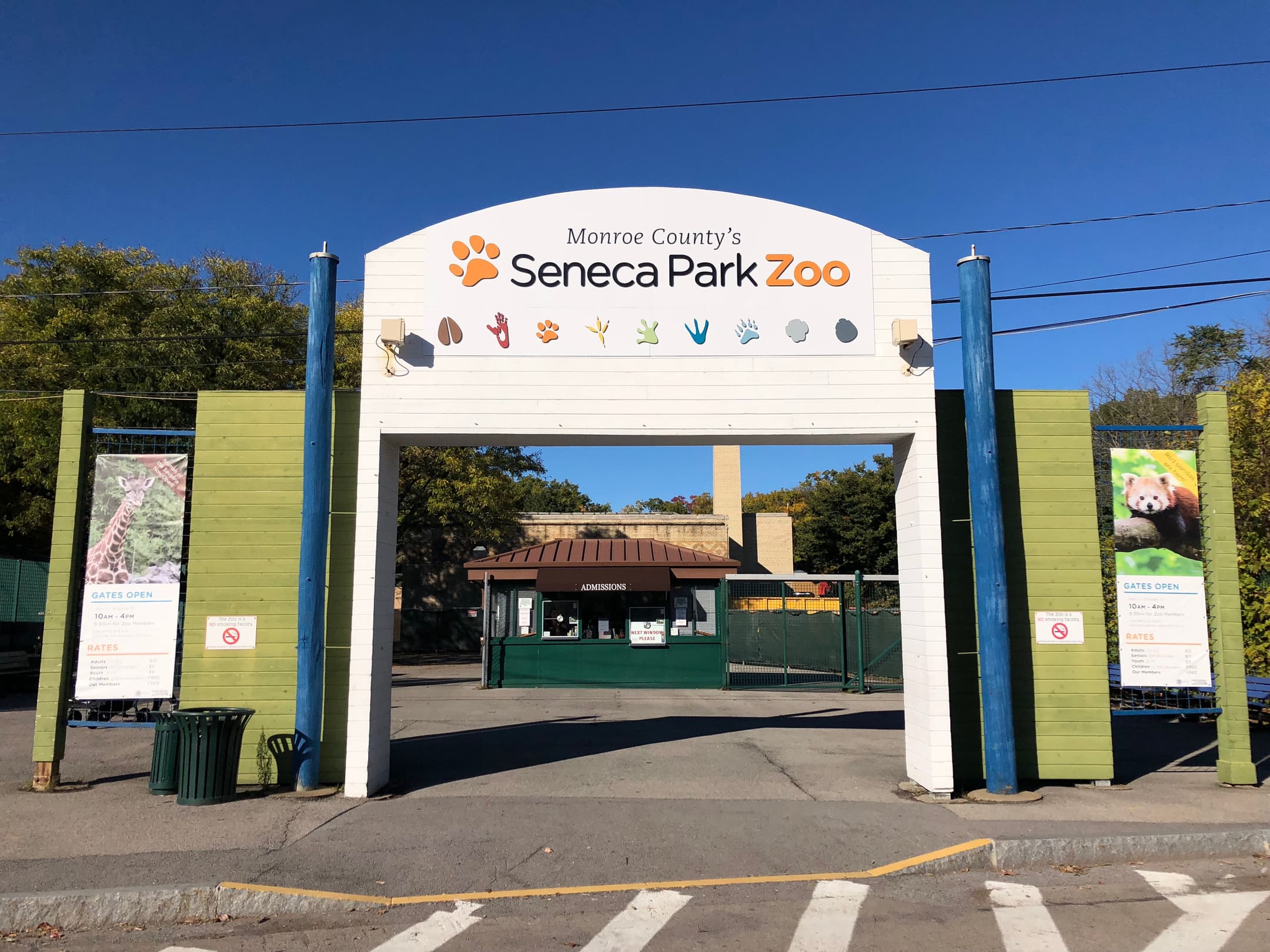


Overview Of Seneca Zoo
History Of Seneca Zoo
.jpg?w=340&dpr=2)
Seneca Park, situated on the border of Rochester and Irondequoit, is a historic park that dates back to its opening in 1893. Designed by Frederick Law Olmsted, the park quickly became home to a variety of animals, marking the beginnings of what is now known as Seneca Park Zoo. Over the years, the zoo has grown and evolved, thanks in part to the Seneca Park Zoo Society, a non-profit organization established in 1957 to support and promote the zoo's educational initiatives, events, and conservation efforts.
Notable additions to the zoo include the Main Zoo Building, which opened in 1931 and housed a diverse range of animals. In subsequent years, immersive exhibits were introduced, such as the polar bear grotto in 1975 and the Rocky Coasts exhibit in 1997. These immersive environments aimed to provide visitors with a more authentic and engaging experience.
The zoo's commitment to education and conservation is evident through its various programs and initiatives. In 2012, the A Step Into Africa exhibit was unveiled, offering visitors a glimpse into the NgoroNgoro Crater in Tanzania and featuring African bush elephants, lions, baboons, and other species.
In recent years, the zoo has continued to enhance its offerings. The Main Zoo Building, no longer meeting modern animal welfare standards, is set to be demolished. New additions include the Cold Asia exhibit, housing snow leopards and red pandas, and an extension of A Step Into Africa, introducing southern white rhinoceroses, Masai giraffes, plains zebras, and more.
Why Should You Visit Seneca Zoo?
.jpeg?w=340&dpr=2)
- Seneca Park Zoo boasts a diverse collection of animals from around the world, offering visitors the opportunity to see and learn about various species up close.
- The zoo's focus on education makes it a valuable destination for both children and adults. Through informative exhibits and educational programs, visitors can gain a deeper understanding of wildlife and conservation.
- The zoo features immersive exhibits that recreate natural habitats, providing a more authentic and engaging experience for visitors. From the Rocky Coasts exhibit to A Step Into Africa, these immersive environments allow guests to feel connected to the animals and their environments.
- Seneca Park Zoo is actively involved in conservation initiatives, supporting in situ wildlife conservation efforts. By visiting the zoo, you are contributing to these conservation projects and helping protect endangered species.
- The zoo is designed with families in mind, offering a safe and enjoyable environment for children and parents alike. With interactive displays, play areas, and special events, it's a great place to spend quality time with loved ones.
Animals In Seneca Zoo
.jpeg?w=340&dpr=2)
The African Bush Viper is a venomous snake species known for its striking coloration and unique appearance. Found in the forests of Sub-Saharan Africa, it possesses a triangular-shaped head and rough scales. Its venom is potent, making it a formidable predator in its habitat. At Seneca Park Zoo, visitors can observe the African Bush Viper and learn about its role in the ecosystem and the importance of snake conservation.

The African Elephant is the largest land animal and a beloved symbol of wildlife conservation. These magnificent creatures can be found in the A Step Into Africa exhibit at Seneca Park Zoo. Visitors can witness their immense size and observe their social behavior. Learning about the African Elephant's threatened status in the wild raises awareness about the importance of protecting their habitats and conserving this iconic species for future generations.
.jpeg?w=340&dpr=2)
As one of the most iconic animals, the African Lion commands attention with its regal presence. At Seneca Park Zoo, visitors can encounter these majestic creatures and witness their power and beauty. The African Lion exhibit provides an opportunity to learn about their behavior, their role as apex predators, and the challenges they face in the wild. Understanding the conservation efforts aimed at protecting African Lions promotes a sense of responsibility for their well-being.
.jpeg?w=340&dpr=2)
The California Sea Lion is a charismatic marine mammal known for its agility and playful nature. Visitors to Seneca Park Zoo can observe these sea lions in action, as they swim, dive, and interact with their trainers during educational presentations. Learning about their adaptations, such as their streamlined bodies and powerful flippers, raises awareness about the importance of marine conservation and the preservation of coastal habitats.
.jpeg?w=340&dpr=2)
The Buffalo Weaver is a bird species native to Africa, characterized by its bold appearance and intricate nest-building abilities. At Seneca Park Zoo, visitors can admire the unique behaviors and adaptations of these birds. The Buffalo Weaver's communal nesting habits and intricate nest structures highlight the fascinating social dynamics within bird populations and the importance of protecting diverse avian species.
.jpeg?w=340&dpr=2)
The Canada Lynx is a captivating feline species native to North America, known for its tufted ears and long legs. Visitors to Seneca Park Zoo can observe the Canada Lynx and learn about its specialized adaptations for surviving in snowy habitats. Understanding the challenges faced by the Canada Lynx due to habitat loss and climate change raises awareness about the need for conservation efforts to protect this elusive and beautiful species.
.jpeg?w=340&dpr=2)
The Fire-Bellied Toad is a small amphibian with a vibrant red or orange belly, serving as a warning to potential predators. At Seneca Park Zoo, visitors can explore the world of these unique toads and learn about their toxic skin secretions and distinctive behaviors. Understanding the vital role amphibians play in maintaining ecosystems helps raise awareness about the need for their conservation and habitat preservation.
.jpeg?w=340&dpr=2)
The Gray Wolf, also known as the Timber Wolf, is a highly social and intelligent predator. At Seneca Park Zoo, visitors can observe these wolves and gain insights into their pack dynamics, hunting strategies, and conservation status. Learning about the crucial role Gray Wolves play in maintaining healthy ecosystems fosters an understanding of the importance of preserving their habitats and protecting these keystone species.
.jpeg?w=340&dpr=2)
The Hellbender is a unique amphibian species found in freshwater habitats in North America. Known for its flattened body and slimy skin, it is the largest salamander in the United States. Visitors to Seneca Park Zoo can learn about the conservation efforts dedicated to protecting Hellbenders and their sensitive aquatic environments. Understanding the challenges faced by these remarkable creatures highlights the need for water conservation and maintaining the health of freshwater ecosystems.
FAQs
What are the opening hours of Seneca Park Zoo?
Seneca Park Zoo is open daily from 10:00 AM to 4:00 PM.
Can I feed the animals at Seneca Park Zoo?
No, for the safety and well-being of the animals, visitors are not allowed to feed them. The zoo's animal care professionals provide specialized diets to ensure the animals' nutritional needs are met.
Why is Seneca Park Zoo famous?
Seneca Park Zoo is famous for its rich history, diverse animal collection, and commitment to education and conservation. It is a beloved destination known for providing memorable experiences, promoting wildlife conservation, and engaging visitors of all ages.
How long should one spend in Seneca Park Zoo?
The recommended duration for a visit to Seneca Park Zoo varies depending on individual preferences and interests. On average, visitors typically spend about 2 to 3 hours exploring the zoo, observing the animals, participating in educational programs, and enjoying the park's beautiful surroundings. However, you can adjust your visit duration based on your own pace and the level of engagement you desire.
What types of animals can we see in Seneca Park Zoo?
Seneca Park Zoo is home to a diverse array of animal species from various parts of the world. Visitors can encounter animals such as African elephants, African lions, California sea lions, gray wolves, Canada lynx, fire-bellied toads, African bush vipers, hellbenders, and many more. The zoo offers an opportunity to observe and learn about mammals, birds, reptiles, and amphibians, promoting an understanding of the natural world and the importance of wildlife conservation.