

Copenhagen Zoo Overview

- Visit Copenhagen Zoo, one of Europe's oldest and largest zoos and the biggest in Denmark!
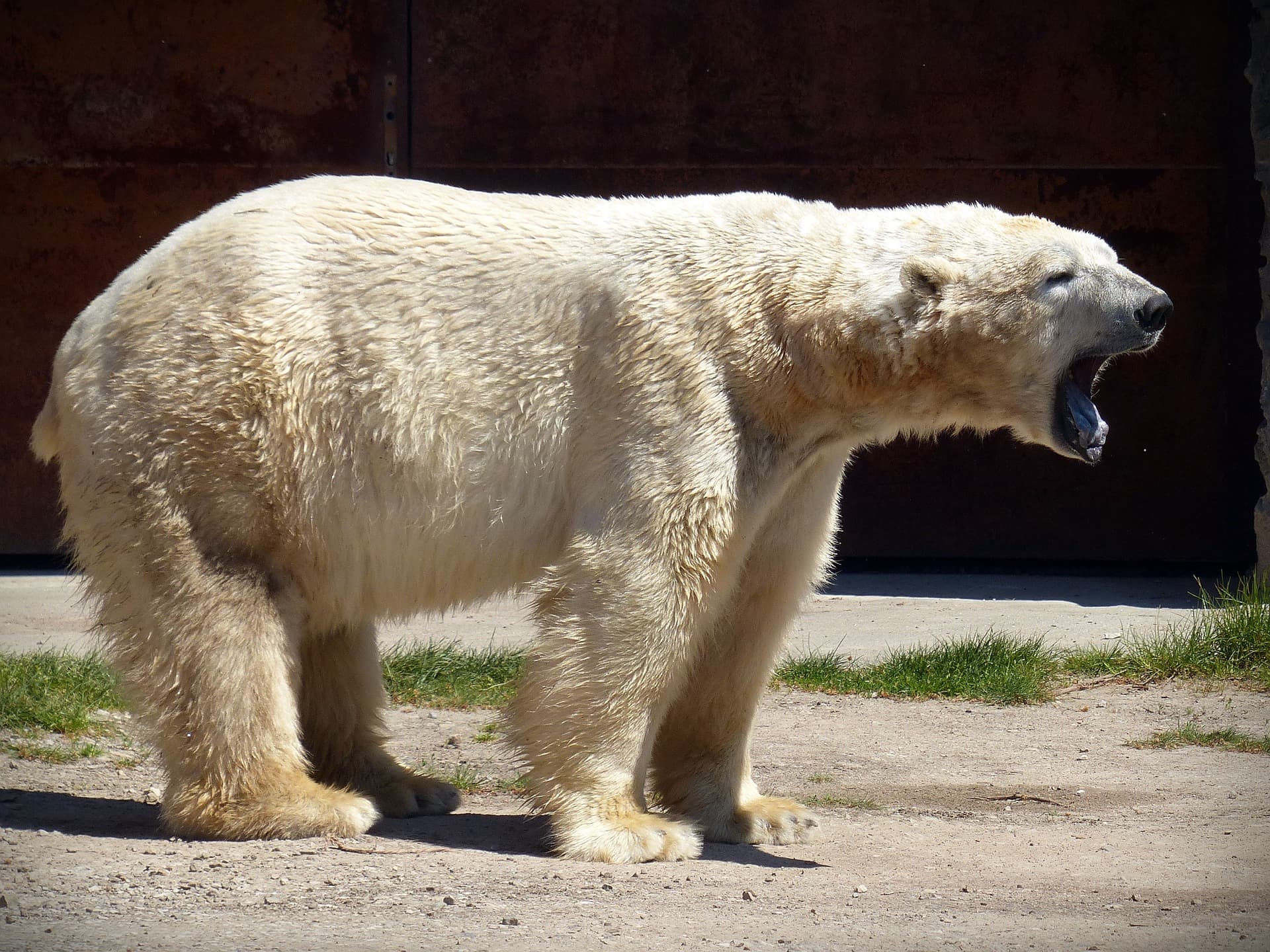
- Get a chance to see the feeding session of polar bears, hippos, and other animals
- Enjoy skip-the-line access and see training sessions of animals and other daily events
- Get a close look at nearly 4,000 animals from 264 different species — an amazing experience you won't want to miss
Exhibits in Copenhagen Zoo

This exhibit focuses on the diverse wildlife found in the Nordic region and the Arctic. Visitors can observe animals such as polar bears, seals, reindeer, and arctic foxes in habitats that replicate their natural environments, including icy landscapes and rocky shores.

The Asia section of the zoo allows visitors to explore the rich biodiversity of the Asian continent. From majestic Asian elephants to playful red pandas, visitors can encounter a wide range of species. The exhibit also includes habitats for tigers, orangutans, and various bird species, providing an immersive experience into the wildlife of Asia.

The African exhibit takes visitors on a journey through the continent's diverse ecosystems. Visitors can observe animals such as giraffes, zebras, lions, and cheetahs in spacious enclosures that mimic the African savannah. The exhibit also highlights the importance of conservation efforts in protecting Africa's endangered species.

This exhibit focuses on the unique wildlife of Tasmania, an island off the coast of Australia. Visitors can discover species like Tasmanian devils, wombats, and wallabies. The exhibit aims to raise awareness about the conservation challenges faced by these endemic species and their fragile ecosystem.

The South America section showcases the vibrant wildlife of the Amazon rainforest and other South American habitats. Visitors can encounter animals such as jaguars, sloths, monkeys, and colorful birds. The exhibit also highlights the importance of rainforest conservation and the preservation of South America's rich biodiversity.

This indoor exhibit provides a tropical paradise where visitors can experience the sights, sounds, and biodiversity of tropical regions. From reptiles and insects to colorful fish and amphibians, the Tropical Zoo offers a chance to explore the wonders of rainforests and other tropical environments.

Designed for younger visitors, the Children's Zoo offers interactive and educational experiences. Children can interact with domesticated animals, learn about their care, and even feed some of them. The area aims to foster a connection between children and animals while promoting empathy, understanding, and responsible animal stewardship.
Know Before You Visit Copenhagen Zoo

Activity Location: Roskildevej 32, 2000 Frederiksberg, Denmark
Activity Timing: 10:00 AM - 04:00 PM
Best Time To Visit- The best time to visit Copenhagen Zoo is during the spring and summer months, particularly from April to September. During this time, the weather is generally pleasant, with milder temperatures and longer daylight hours, providing a comfortable and enjoyable experience for visitors. The lush vegetation and blooming flowers also add to the overall ambiance of the zoo.
Visiting during weekdays or early in the morning on weekends can help you avoid larger crowds and long queues, allowing you to explore the zoo at your own pace. It's also recommended to check the zoo's website or contact them in advance to inquire about any special events, feeding times, or animal encounters that you might be interested in, as these can enhance your visit.
How to Reach?
By Car: The activity location is 2.0 km from the city center, it will take 5 minutes via Roskildevej route.
By Bus: Take a bus to Zoologisk Have (Roskildevej) station which is 200 feet away from the Zoo. You can reach the activity location from the bus station with a 10 minute walk
FAQ'S
What are the opening hours of Copenhagen Zoo?
Copenhagen Zoo's opening hours vary depending on the season. It is generally open from morning to evening, but it's best to check the zoo's official website for the most up-to-date information on opening and closing times.
Is Copenhagen Zoo accessible for wheelchair users and people with disabilities?
Yes, Copenhagen Zoo is wheelchair accessible, and it strives to provide a welcoming environment for visitors with disabilities. The zoo offers accessible facilities, including ramps, elevators, and disabled parking spaces.
Are there guided tours available at Copenhagen Zoo?
Yes, Copenhagen Zoo offers guided tours led by knowledgeable staff who provide insights into the zoo's animals, conservation efforts, and more. These tours can be a great way to enhance your visit and learn more about the animals and their habitat.
Can I bring my own food to Copenhagen Zoo?
Yes, visitors are allowed to bring their own food and have picnics in designated areas within the zoo. However, there are also various food outlets and dining options available within the zoo if you prefer to purchase meals or snacks during your visit.
Are there any special events or activities at Copenhagen Zoo?
Copenhagen Zoo regularly organizes special events, animal feedings, talks, and educational activities for visitors of all ages. It is recommended to check the zoo's website or inquire at the information desk for the schedule of events during your visit.